



Dublin Coddle, a beloved Irish comfort food, is a simple stew of sausages, potatoes, onions, and bacon, layered together and slow-cooked until tender and deeply flavorful. While authentic Irish ingredients can be difficult to find here in the U.S., this version stays faithful to the spirit of the dish by using quality substitutions that are readily available in American grocery stores.
Do you celebrate St. Patrick’s Day? If you do, what do you usually serve? I always choose something true to Irish cuisine, or as nearly authentic a recipe as I can manage in a Southern American kitchen.

This year, we’ll be enjoying Dublin Coddle, a simple stew of onions, potatoes, sausages, and bacon. The only problem is that you can’t get Irish sausages and bacon around here.
Irish bacon isn’t smoked. It’s “back bacon,” unlike American bacon, which comes from the belly of the pig. The Irish would call ours “streaky bacon.” Irish sausages are generally milder and unsmoked as well.
Add to that the fact that we really don’t have quite the same potatoes as they do in Ireland. Idaho baking potatoes are about as close as I can get. Even so, I did my best to put together a version that stays as true to the original as possible while using ingredients that are easy to find.
If you want to be really authentic, there are online sources for Irish bacon and sausages. FoodIreland.com is a good one. But you can use my substitutions and come pretty close to the authentic recipe.
— This post was originally published on March 13, 2015. It has been updated with new photos and additional information.
Recipe Snapshot
Cuisine: Irish
Cooking Method: Stovetop
Total Time: 4 Hours, 10 Minutes
Servings: 6
Primary Ingredient(s): Sausages, potatoes, Canadian bacon, chicken stock
Skill Level: Easy
WHAT PEOPLE ARE SAYING …
⭐⭐⭐⭐⭐
“This is the only Dublin Coddle recipe I use. Stumbled upon it and was hooked after the first bite. Love the simplicity of this dish, with its short, attainable list of ingredients and easy assembly, and yet, the flavor is so satisfying and comforting! Especially love this with a slice of warm Irish Soda Bread and Kerrygold butter. 😊”
— Kimberly
What Makes This Recipe Special
Dublin Coddle is a straightforward kind of recipe that shows you don’t need elaborate techniques or expensive ingredients to create something deeply satisfying. At its heart, it’s a practical, working kitchen stew made of sausages, potatoes, onions, and bacon layered together and cooked gently until all is tender and infused with flavor.
This version balances respect for tradition with real-life practicality. While true Irish back bacon and bangers are not easy to find in American grocery stores, thoughtful substitutions allow you to capture the spirit of the original.
When you lift the lid on this stew after cooking, you’re met with a dish that feels both humble and celebratory. That’s exactly why it’s worth making, not just for St. Patrick’s Day, but anytime you want a meal firmly rooted in tradition.
Ingredient Notes

This post may contain affiliate links. Lana’s Cooking is reader-supported and earns a tiny commission at no extra cost to you when you shop from our links.
- Mild Breakfast Sausages – For an authentic Dublin Coddle, you’d need Irish pork sausages, often called “bangers,” which are mild and unsmoked. Since those aren’t easy to find in the U.S., I substitute small, mild breakfast sausages in casings such as Johnsonville Breakfast Sausage. Avoid anything heavily seasoned—no sage or maple. The flavor should be very simple and savory.
- Canadian Bacon – The traditional recipe uses Irish back bacon, which is unsmoked and leaner than American “streaky bacon.” It’s more like what we think of as thinly sliced ham. Canadian bacon makes a fair substitute because it’s closer in texture and flavor. Don’t use regular bacon here; it will add flavors that change the character of the dish.
- Baking Potatoes – Irish potatoes aren’t quite the same as ours, but good old Idaho baking (russet) potatoes work beautifully. Slice them thickly so they hold their shape during the long cooking time.
- Yellow Onion – Use one large yellow onion and slice it thickly. As it cooks, it will soften and almost melt into the broth, creating much of the stew’s flavor.
- Fresh Thyme – Thyme complements the pork without overpowering it.
- Chicken Stock or Broth – A good quality chicken stock adds depth and gives the finished dish a lovely broth. If you have homemade chicken broth or stock, do use it here!
The complete ingredient list with detailed measurements is included in the printable recipe card at the bottom of this post.
How to Make Dublin Coddle
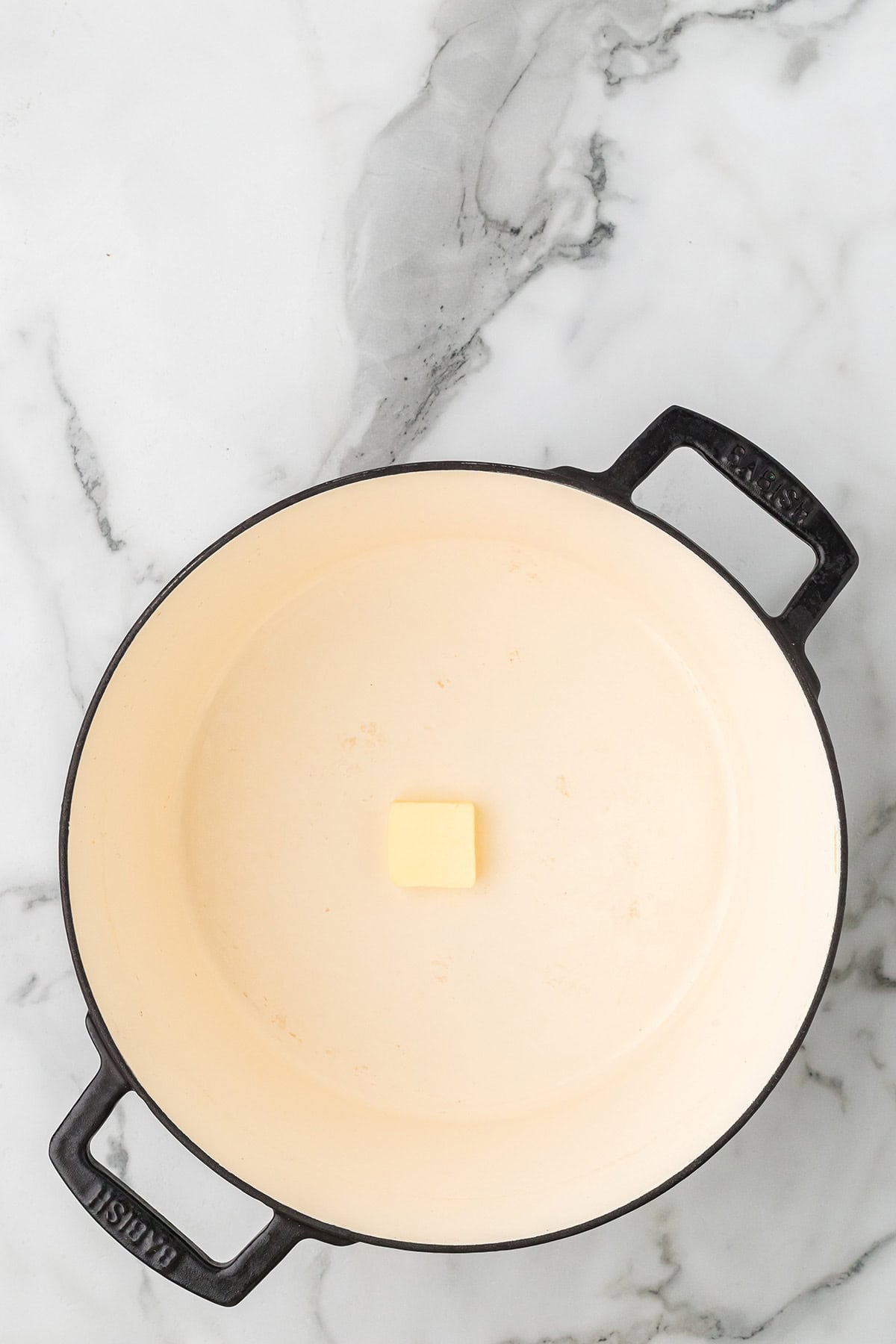

- Set a large, heavy Dutch oven over medium high heat and add the butter or oil. Once it’s hot, place the sausages in the pot and cook them until they’re nicely browned on all sides. You’re not cooking them through at this stage, just developing flavor. Remove the sausages and set them aside.
Want to save this?


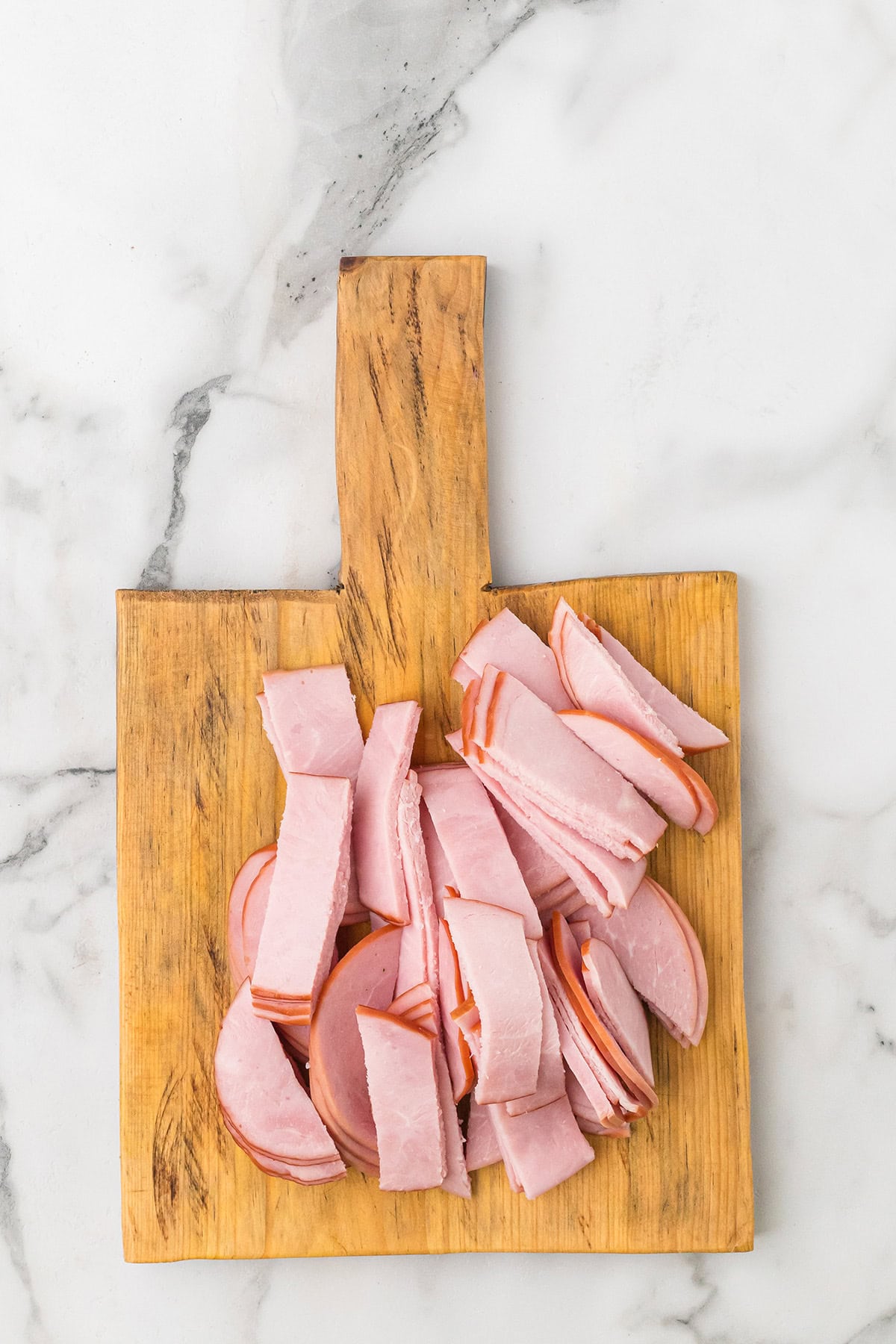
- While the sausages are browning, prep the vegetables. Slice the onion into thick rounds. Peel the potatoes and cut them into thick slices so they’ll hold their shape during cooking. Cut the Canadian bacon into pieces about one inch wide.
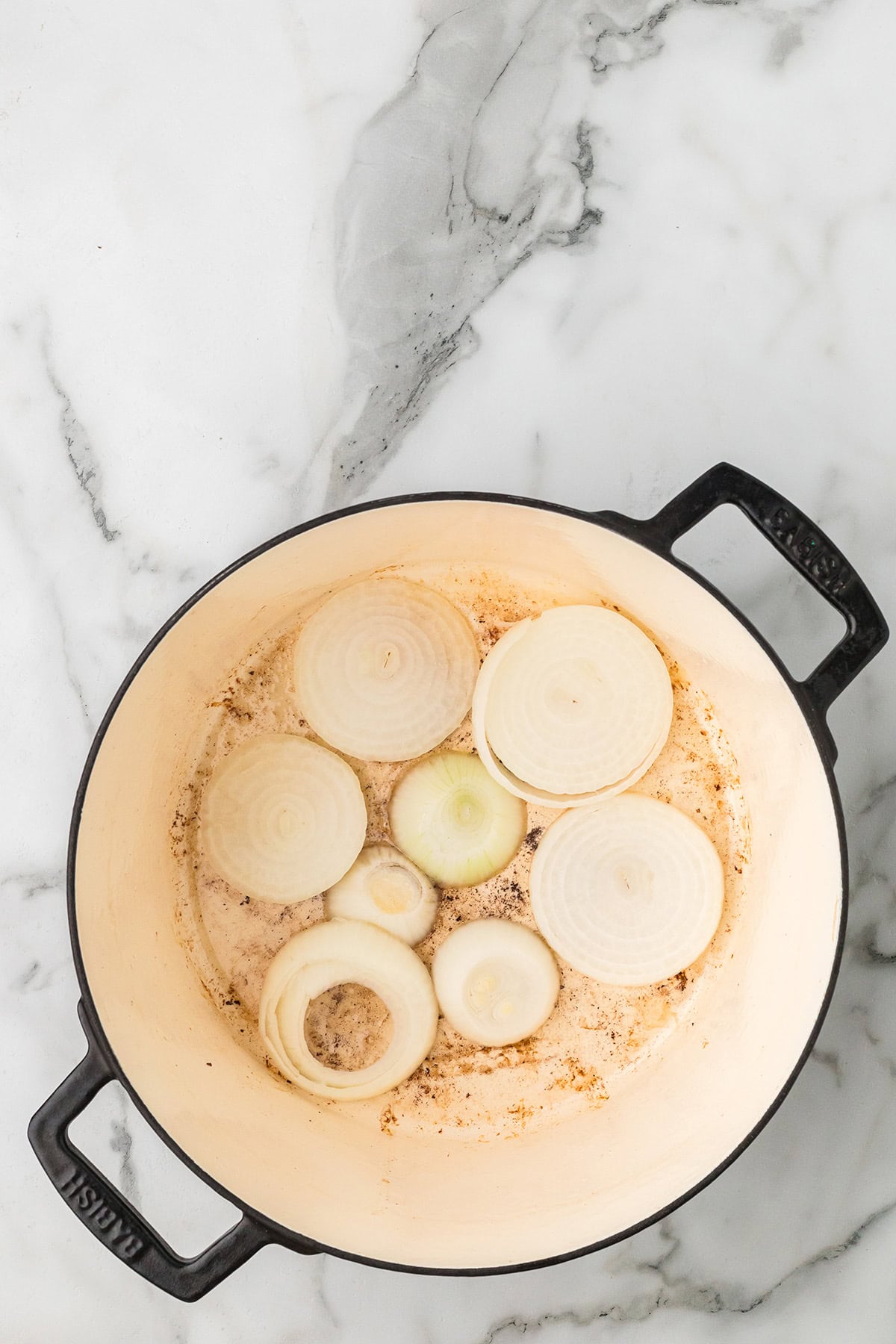



- Begin layering everything in the Dutch oven. Start with some onion, then potatoes, followed by sausages and Canadian bacon. As you build each layer, season the potatoes lightly with salt and pepper and sprinkle over a bit of fresh thyme. Continue layering in that order until all the ingredients are used.



- Pour in the chicken stock or broth, then add enough water so the liquid comes up to the top of the layered ingredients. The potatoes should be just barely covered.
- Bring the pot up to a boil. From here, you have two options, stovetop or oven.
Stovetop Option: Lower the heat, cover the pot, and let it simmer gently for 45 to 60 minutes until the potatoes are tender. Turn off the heat and let it rest until you’re ready to serve, then bring it back to a gentle boil and stir in the parsley just before serving.
Or, if you prefer, use the Oven Option: cover the pot and place it in a 300°F oven for 3 to 4 hours. When it’s finished cooking, gently stir in the parsley. - Serve the coddle hot with plenty of Irish soda bread and good butter alongside.

Recipe Tips
- Brown the sausages well before layering. You’re building flavor in that first step, and well-browned sausages make a noticeable difference in the finished stew.
- Slice the potatoes thickly. Thin slices will break down far too much during cooking, creating something like mashed potatoes in broth. That’s not what you want. You should have distinct layers in the finished dish.
- Salt lightly. The bacon and stock both contribute salt, so season the potato layers lightly and adjust at the end if needed.
- Keep the heat gentle. Whether you’re simmering on the stovetop or cooking in the oven, low and slow lets the flavors blend without the potatoes falling apart.
Troubleshooting Tips
- My potatoes turned mushy. What happened? They were likely sliced too thin or cooked at too high a temperature. Keep the slices thick and maintain a gentle simmer. A hard boil will break them down quickly.
- The broth seems too thin. How can I fix it? Dublin Coddle traditionally has a light broth, not a thick gravy. If you prefer it slightly richer, let it simmer uncovered for the last 10 to 15 minutes to reduce a bit.
- The sausages aren’t fully cooked after browning. Is that normal? Yes. They finish cooking during the simmering or oven time. The initial browning step is just to develop flavor.
- It tastes a little bland. What should I adjust? First, check the salt. Because the bacon and stock vary in saltiness, a final seasoning adjustment at the end often brings everything into balance. A small pinch of salt can make a big difference.
- My potatoes aren’t tender after the suggested cooking time. Why? Potato varieties vary. Simply continue cooking at a gentle simmer until they’re fork-tender. If the liquid has reduced too much, add a splash of hot water or stock.
Recipe Variations to Try
- If you can find authentic Irish bangers and back bacon, by all means use them. They’ll give you the most traditional flavor profile. There are specialty online retailers (such as All Ireland Foods and Tommy Moloney’s) that carry both.
- Some cooks like to add a bay leaf to the broth for subtle depth. It’s not required, but it won’t overpower the dish if used sparingly.
- For a slightly richer finish, you can replace part of the chicken stock with a light beef stock.
- You can slice the sausages into large pieces before layering if you like. Traditionally they’re left whole, but cutting them makes serving a bit easier.
How to Serve
Dublin Coddle is best served piping hot in wide bowls with plenty of broth and a generous sprinkle of fresh parsley. A thick slice of Irish soda bread alongside is almost mandatory, especially with good butter melting into it.
If you’d like to round out the table, a simple green salad dressed with a light vinaigrette beautifully balances the richness of the pork. For a full St. Patrick’s Day spread, you might also add a bowl of Champ or a side of roasted cabbage. Keep the sides simple. This stew is meant to be the centerpiece.
Storing Leftovers
Leftovers keep very well. Store in an airtight container in the refrigerator for up to 3 days. The flavors often deepen overnight, making it just as good, if not better, the next day.
To reheat, warm gently on the stovetop over low heat until heated through. If the broth has thickened too much in the refrigerator, add a small splash of water or chicken stock to loosen it.
You can freeze leftovers, but keep in mind that potatoes tend to change texture after freezing and thawing. If you do freeze it, store it in a freezer-safe container for up to 2 months and thaw overnight in the refrigerator before reheating gently.

Questions About Dublin Coddle
The word “coddle” refers to cooking something gently in liquid just below a boil (you may have heard of “coddled” eggs?). That slow, gentle simmer is exactly what gives this stew its tender texture.
Absolutely. In fact, it’s an excellent make-ahead dish. Prepare it earlier in the day, let it rest, and gently reheat before serving. The flavors settle and develop beautifully.
Yes. After browning the sausages, layer everything in a slow cooker and cook on low for 6 to 7 hours or until the potatoes are tender. Keep the liquid level similar to the stovetop version and avoid overcooking so the potatoes hold their shape.




Have a question or thought to share?
If you have a question about the recipe or if you’ve made it and want to share how it turned out, I would truly enjoy hearing from you. Just scroll down to leave a comment or add your star rating.
Thank you for stopping by. It means a lot to have you here.
Do More With ChatGPT
Recipe

Dublin Coddle
Ingredients
- 1 tablespoon butter or oil
- 12 ounces small mild sausages in casings Johnsonville Original breakfast sausages recommended
- 1 large yellow onion
- 3 large baking potatoes
- 12 ounces Canadian bacon
- Salt
- Pepper
- Fresh thyme
- 4 cups chicken stock or broth
- 3 tablespoons chopped fresh parsley
Instructions
- In a large, heavy Dutch oven, heat the butter or oil over medium high heat. Add the sausages and cook until browned on all sides. Remove sausages from the pan.1 tablespoon butter or oil, 12 ounces small mild sausages in casings
- While the sausages brown, cut the onion into thick slices. Peel and cut the potatoes into thick slices and cut the Canadian bacon in one-inch wide pieces.1 large yellow onion, 3 large baking potatoes, 12 ounces Canadian bacon
- Add the ingredients to the Dutch oven making layers of onion, potatoes, sausages, and Canadian bacon. As you make layers, salt and pepper each layer of potatoes and sprinkle over a little fresh thyme. Continue layering until all ingredients are used.Salt, Pepper, Fresh thyme
- Add the chicken stock or broth to the pan along with enough water to bring the liquid to the top of the layered ingredients.4 cups chicken stock or broth
- Bring the contents of the pot to a boil and then either (1) reduce the heat to low, cover and simmer for 45-60 minutes until the potatoes are tender. Turn off the heat and let sit until ready to serve. Bring back to the boil and stir in the parsley before serving. Or (2) cover and transfer to a 300 degree oven to cook for 3-4 hours. When ready to serve, gently stir in the parsley.3 tablespoons chopped fresh parsley
- Serve with Irish soda bread spread generously with butter.
Notes
- Use small, mild breakfast sausages and Canadian bacon to closely mimic traditional Irish bangers and back bacon.
- Slice the potatoes thick and cook gently. A low simmer or slow oven prevents the potatoes from breaking down and keeps the layers intact.
- Store leftovers in an airtight container in the refrigerator for up to 3 days. Reheat gently on the stovetop, adding a splash of water or stock if needed. Freezing is possible, but the potatoes may soften after thawing.
Nutrition Information
Nutrition information is calculated by software based on the ingredients in each recipe. It is an estimate only and is provided for informational purposes. You should consult your healthcare provider or a registered dietitian if precise nutrition calculations are needed for health reasons.
This is the only Dublin Coddle recipe I use. Stumbled upon it and was hooked after the first bite. I’ve made it several times and usually by request from others who’ve tried it. I usually put it in the oven for 3-4 hours, when time allows, because the flavors are given time to develop. This is something I always want to make when the cooler weather takes hold. Love the simplicity of this dish, with its short, attainable list of ingredients and easy assembly, and yet, the flavor is so satisfying and comforting! Especially love this with a slice of warm Irish Soda Bread and Kerrygold butter. 😊
I’m so glad you enjoy this recipe! We love this one at our house as well.
One pointer, in Ireland, we boil the sausages in the stew we don’t fry them.
Thanks Lauren. And I wish I had access to the kinds of sausages you have in Ireland. But alas, we make do with what we have.
This all looks amazing, but I really want to have at those onions! I bet they pick up so much flavor from the sausage and bacon. Yum!
It looks as though you made a wonderful dish, authentic Irish bacon and sausage or not! What a wonderful comfort meal for St. Paddy’s Day.
I was searching for Irish sausage this year too and I couldn’t find it either. This stew looks awesome and I wish I had a big hearty bowl right now.
I’ve never had a Dublin Coddle before – it sounds delicious. One of the things I really miss about Ireland is their bacon. I love ours too, but in a different way. I have to try this!
I love them both, too, Heather!
We celebrate St. Patrick’s Day a little bit and this may need to be on the menu Tuesday!
I love that you tried to make this as authentic as possible! I didn’t even know Irish sausage was a thing. This dish looks great!
Thanks, Erin. I always try to do something as authentic as possible for St. Patrick’s Day. Many of the things we think of as Irish (i.e., corned beef) are not authentic at all!
Could I do this in slow-cooker and if so how long would it need to cook. I love using my slow-cooker That way I can assembly and leave.
Thanks
I think this would work really well in a slow cooker. I would guess that the cooking time would be about 5-6 hours on low but that’s only a guess.
Oh yum! Never heard of this
Looks delicious. Will definitely try this next Tuesday in Savannah for the Celebration.
I make Bangers & Mash occasionally – I use the fresh Sausage from Fresh Market- very mild, think it’s just called Pork Sausage- large size like yours. Reminds me of England.
I have a Fresh Market not very far away. I’ll definitely have to try that sausage next time I’m in there.
I never knew the differences in Irish bacon and sausage, how interesting! This Dublin Coddle looks amazing! I had never heard of it before, but I have to try it now!
Yes, Angie, their bacon and sausage are quite different from ours. My favorite meal when we were over there was always breakfast.
This sounds and looks delicious. It reminds me of the comfort foods that I grew up with. Of course I come from Irish stock so it would make sense. I will definitely try this. thanks
It’s most definitely comfort food! Polly might like it, too.