



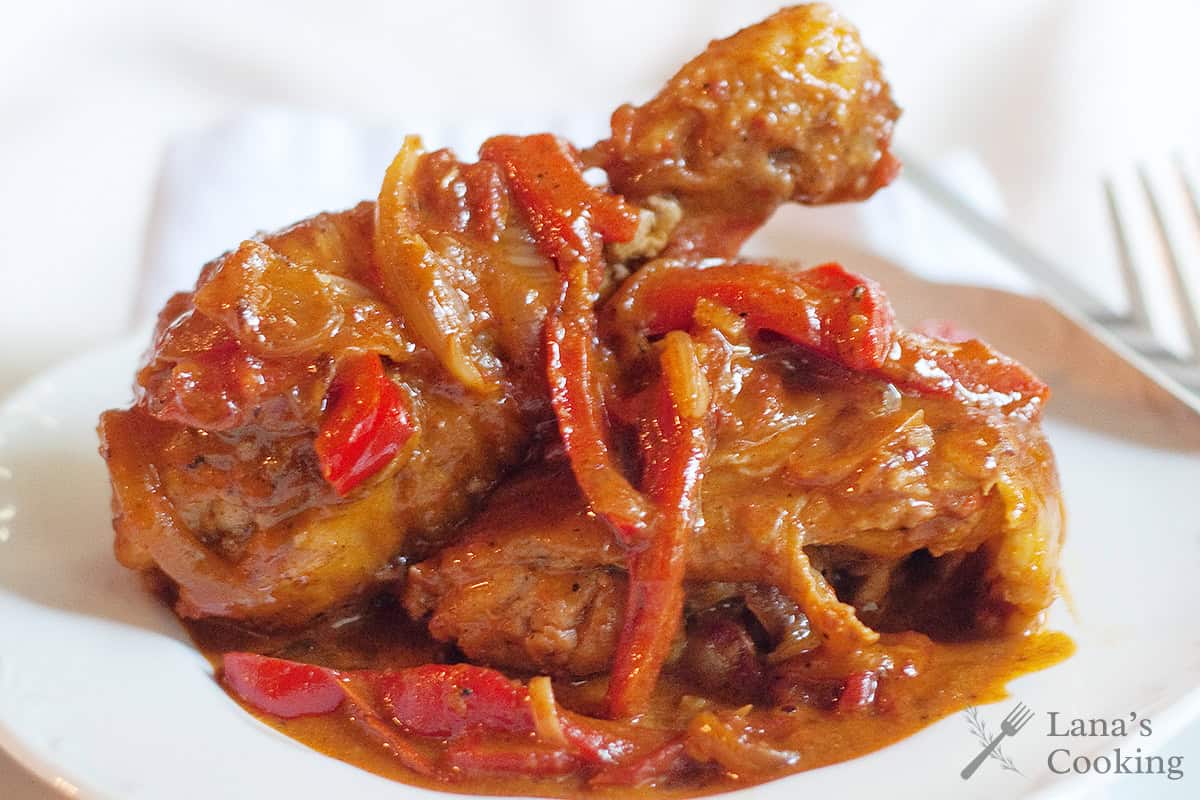
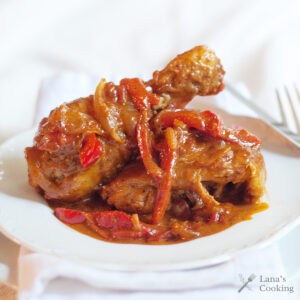
Paprika Chicken is a classic smothered skillet dish rooted in the same slow-cooking technique the French call étouffée. Browned chicken simmers gently with peppers, onions, fennel, and paprika before finishing with a touch of sour cream for a rich, savory sauce.
I was watching one of my favorite cooking shows recently (as usual) and saw the host make the most delicious looking recipe for Paprika Chicken. This particular show is about French food and cooking, and I always enjoy her presentations.
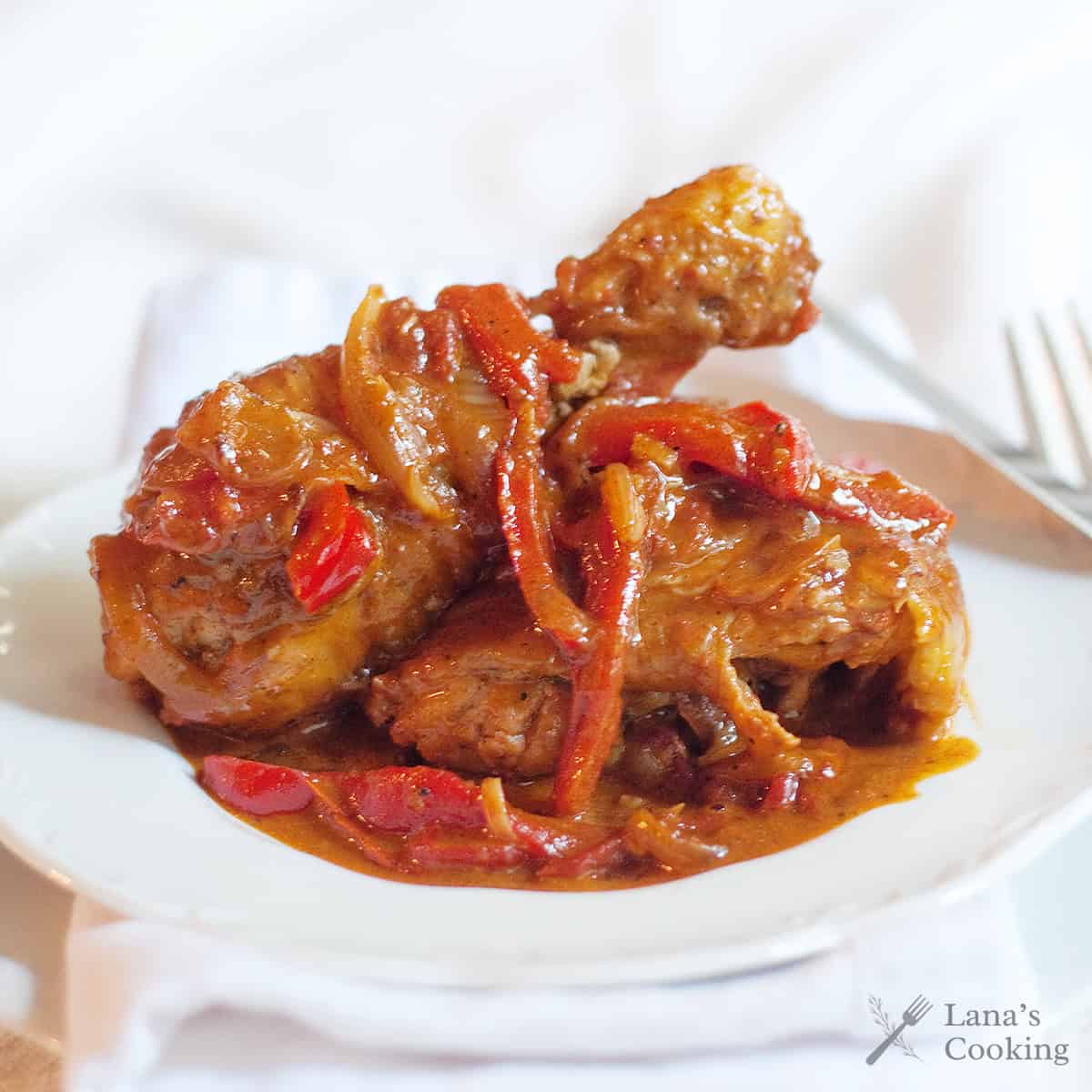
As the chef got further into the recipe, the more I thought how familiar the technique looked. She browned the chicken, removed it from the pan, added some veggies which she sauteed for a while, and then deglazed with wine. She then added back the chicken, lowered the temperature, and cooked it until done.
Hmmm. Well, that’s the same thing that we in the South call “smothering.” Ah-ha! A lightbulb went off in my head, and I started researching. And guess what I found? The French word étouffée means, guess what, “smothered.” And where do you hear étouffée used? In Creole and Cajun cooking…in the South.
I just love how cooking travels halfway around the world and ends up in another place known by another name, but with the same wonderful results.
Whether you choose to call this étouffée or smothered is beside the point. And whether it came directly from France or made its way through Canada and down South with the Cajuns, it’s still scrumptious.
Recipe Snapshot
Cuisine: French
Cooking Method: Stovetop
Total Time: 50 Minutes
Servings: 4
Primary Ingredient(s): Chicken legs and thighs, red bell pepper, onion, fennel, paprika, garlic, white wine, tomatoes, sour cream
Skill Level: Easy
What Makes This Recipe Special
What makes this Paprika Chicken outstanding is the way it’s developed in just one pan. The chicken is browned first, creating deep flavor right from the start. Then it returns to the pan to simmer slowly with paprika, wine, peppers, onions, and fennel until the sauce becomes rich and the flavors merge.
The étouffée technique is from classic French cuisine, and is the same method that Southern cooks call smothering. Different names, same steady cooking that transforms ingredients into deeply sastisfying dishes.
A spoonful of sour cream at the end of cooking adds richness without making the sauce heavy. The result is tender, smothered chicken in a silky paprika sauce that’s both familiar and refined.
Ingredient Notes
This post may contain affiliate links. Lana’s Cooking is reader-supported and earns a tiny commission at no extra cost to you when you shop from our links.
- Chicken — I prefer using small legs and thighs for this recipe. Or, you can cut up a whole chicken, if you want. Whichever you choose, make sure to use bone-in pieces for the best flavor.
- Paprika — If you’ve never used sweet Hungarian paprika before, I think you’ll be surprised by its depth of flavor. Make sure your paprika is fresh and fragrant.
- Fennel — Even if you think you don’t like fennel, I’d still encourage you to try it. When fennel cooks, its sharp flavor mellows and blends into the sauce with a sweetness that works well with the peppers and onions.
- White Wine — Deglazing the pan with a little white wine lifts all the flavorful bits from the bottom. The wine cooks down during the simmer and adds a lovely flavor to the sauce.
- Sour Cream — Adding sour cream after turning off the heat adds richness without making the sauce heavy.
The complete ingredient list with detailed measurements is included in the printable recipe card at the bottom of this post.
How to Make Paprika Chicken
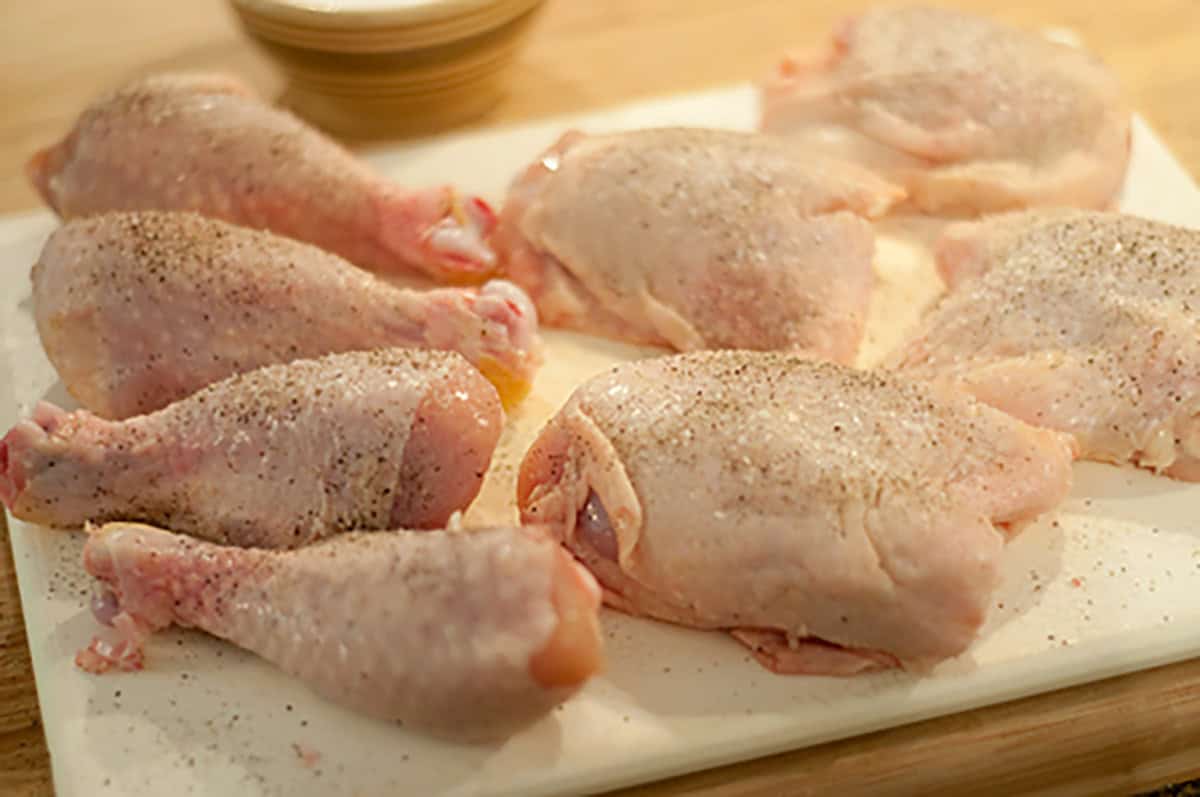
- Pat the chicken as dry as possible. The drier the chicken, the better and browner the sear. Season liberally with salt and pepper.
- Heat the canola oil and butter in a large skillet over medium-high heat. Add the chicken and cook, turning several times, until pieces are browned on all sides. Remove the chicken to a plate while you proceed with the recipe. Drain all but about a tablespoon of fat from the skillet.
Want to save this?
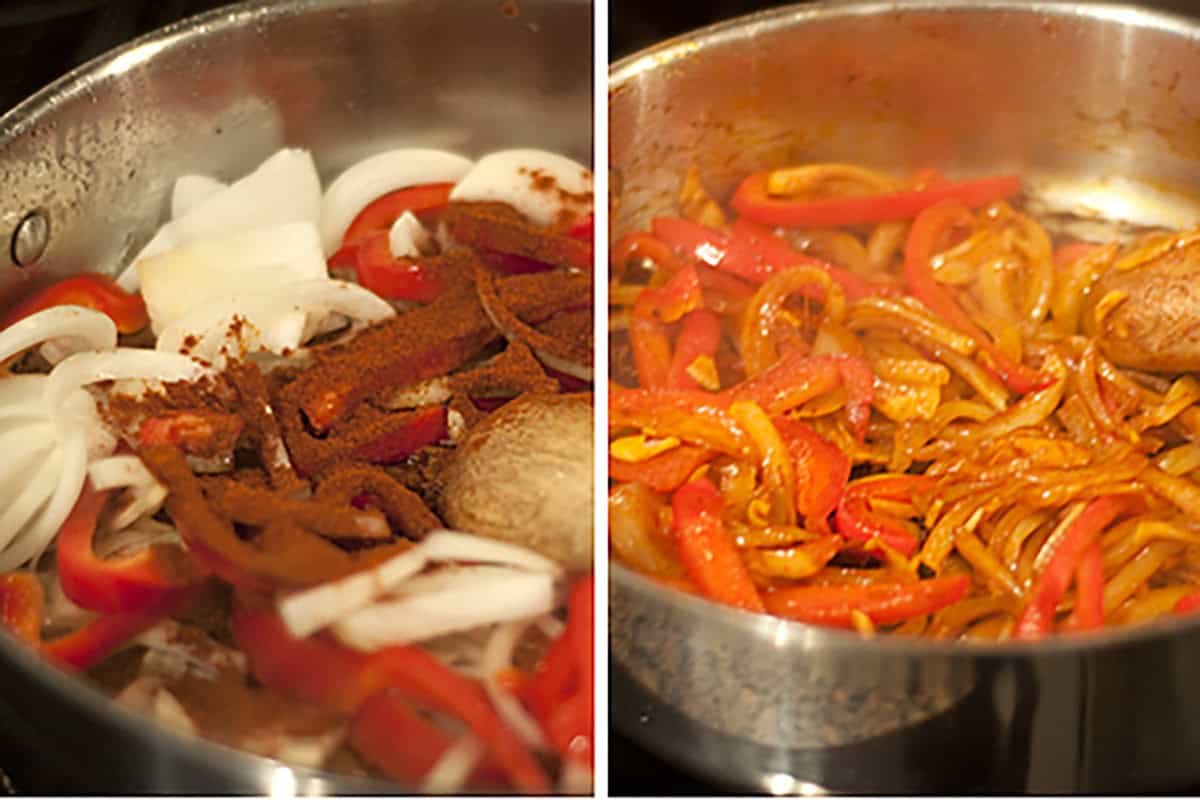
- Lower the heat and add the red bell pepper, onion, fennel, and paprika. Cook until the vegetables are soft, adding the garlic for the last minute of cooking.
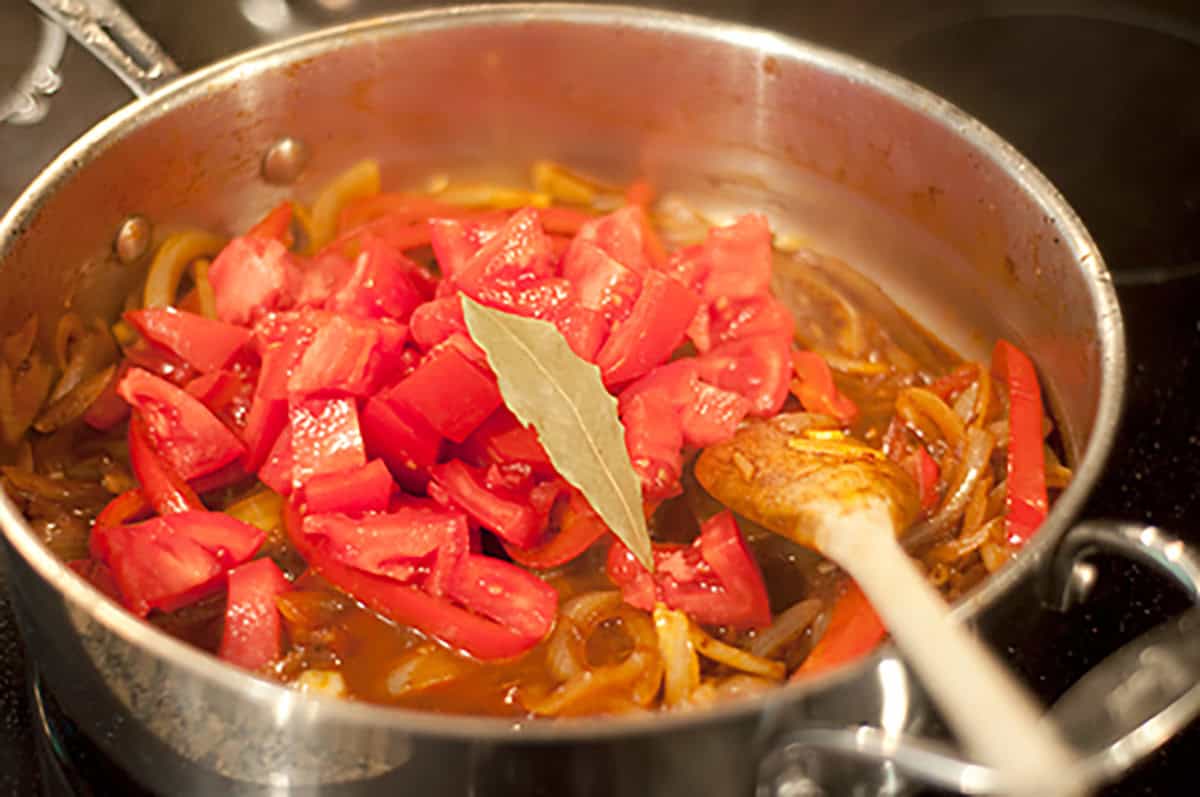
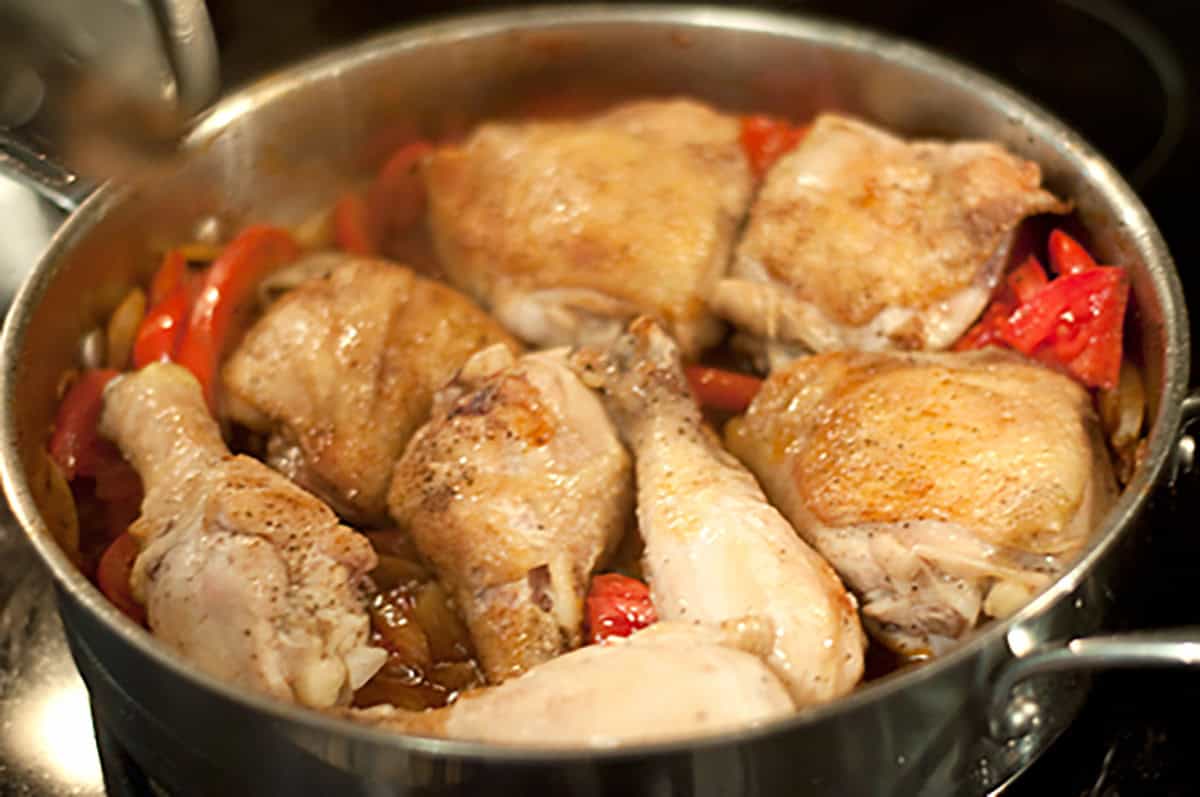
- Add the wine to the pan and stir to bring up any cooked bits from the bottom. Add the tomatoes and bay leaf. Season lightly with salt and pepper. Add the chicken back to the pan along with any juices that may have accumulated on the plate while the chicken was resting.
- Cover the pan and cook over medium-low heat, turning the chicken occasionally, until tender, approximately 30 minutes.
- Remove the chicken to a serving plate and cover with foil to keep it warm.
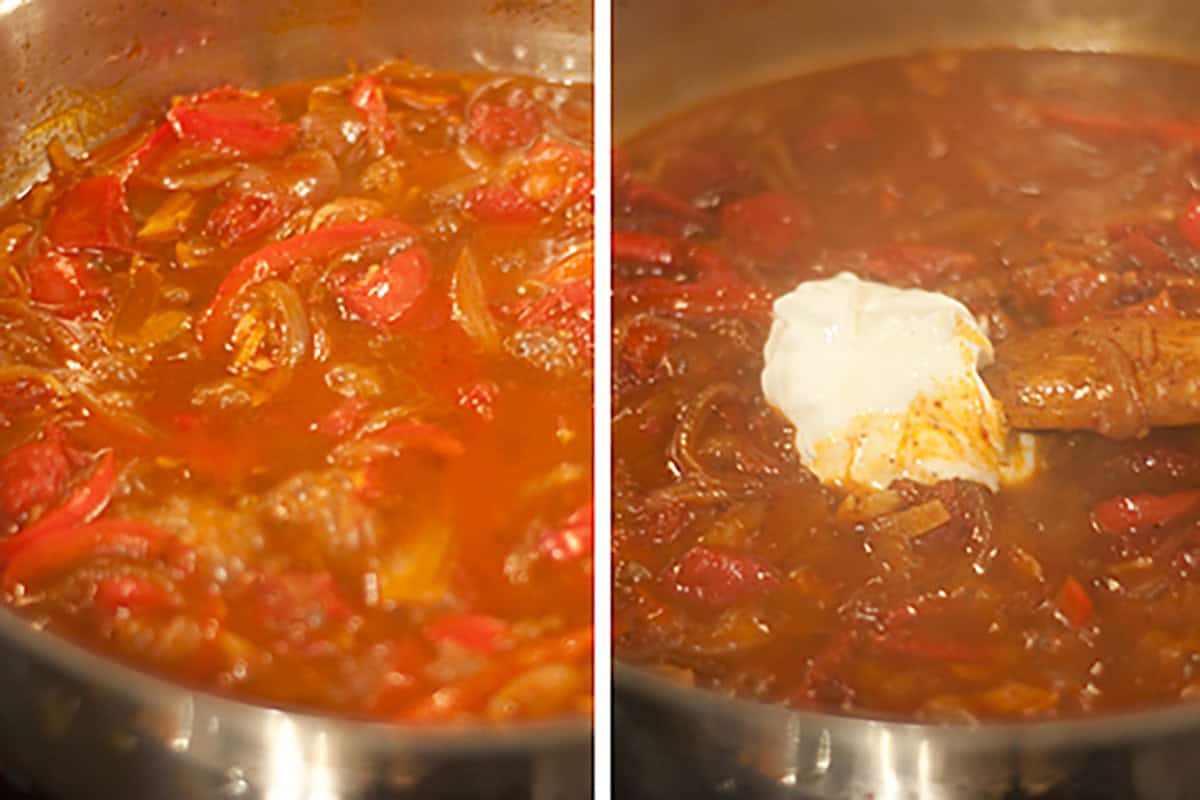
- Turn up the heat under the skillet and boil until a sauce-like consistency is reached. Turn off the heat and stir in the sour cream. Check for seasonings and adjust if necessary.
Recipe Tips
- Pat the chicken very dry before seasoning. Moisture is the enemy of browning, and that first sear is what gives the sauce its depth.
- Don’t rush the browning step. Turn the pieces several times and let them develop good color on all sides before removing them from the skillet.
- Keep the simmer gentle once the chicken goes back into the pan. A steady heat helps the sauce to thicken and the chicken to become tender without drying out.
Variations to Try
- If fennel isn’t available, simply leave it out. The dish will still have plenty of flavor from the peppers, onions, and paprika.
- You can substitute chicken breasts for the legs and thighs, but you’ll need to reduce the cooking time to prevent drying out.
- For a slightly brighter finish, a squeeze of fresh lemon juice stirred into the sauce just before serving can lift the richness without changing the character of the dish.
- If you prefer a thicker sauce, allow it to reduce a bit longer before adding the sour cream.
Serving Suggestions
Paprika Chicken is best served over something that will catch every bit of the sauce. Buttered egg noodles are a natural choice, and plain white rice works just as well. Mashed potatoes are another good option if you want something a little heartier.
A simple green vegetable on the side keeps the plate balanced. Steamed green beans, roasted asparagus, or a crisp green salad with a light vinaigrette complement the richness of the paprika sauce.
Warm French bread with butter or soft dinner rolls are quite nice on the side of the plate.
Storing and Reheating
Store any leftovers in an airtight container in the refrigerator for up to three days. The flavors deepen as it rests.
To reheat, warm gently in a covered skillet over low heat. Add a splash of water or chicken broth if the sauce has thickened too much. Avoid high heat, which can make the sauce separate.
This dish is not ideal for freezing once the sour cream has been added, as sour cream typically breaks when frozen and will ruin the texture of the sauce.
Questions About Paprika Chicken
Yes. It can be fully cooked up to the point of adding the sour cream and gently reheated before serving. Stir in the sour cream when reheated and ready to serve.
If you prefer not to use wine, substitute chicken broth. You will still achieve good flavor, though the wine adds a bit more depth.
The sauce can separate if the heat is too high when the sour cream is added. Always turn off the heat and stir it in gently.
More Chicken Recipes You’ll Like


Have a question or thought to share?
If you have a question about the recipe or if you’ve made it and want to share how it turned out, I would truly enjoy hearing from you. Just scroll down to leave a comment or add your star rating.
Thank you for stopping by. It means a lot to have you here.
Do More With ChatGPT
Recipe
Paprika Chicken
Ingredients
- 4 small chicken legs
- 4 small chicken thighs or one whole, small chicken cut into 8 pieces
- Salt and pepper
- 2 tablespoons canola oil
- 2 tablespoons butter
- 1 red bell pepper cut into strips
- 1 small onion sliced
- ½ small fennel bulb cut into strips
- 1 tablespoon sweet Hungarian paprika
- 1 clove garlic minced
- ½ cup white wine
- 1 large or 2 medium tomatoes chopped
- 1 bay leaf
- 2 tablespoons sour cream
Instructions
- Pat the chicken as dry as possible. Season liberally with salt and pepper.4 small chicken legs, 4 small chicken thighs, Salt and pepper
- Heat the canola oil and butter in a large skillet over medium high heat. Add the chicken and cook, turning several times, until pieces are browned on all sides. Remove the chicken to a plate while you proceed with the recipe. Drain all but about a tablespoon of fat from the skillet.2 tablespoons canola oil, 2 tablespoons butter
- Lower the heat and add the red bell pepper, onion, fennel, and paprika. Cook until the vegetables are soft adding the garlic for the last minute of cooking.1 red bell pepper, 1 small onion, ½ small fennel bulb, 1 tablespoon sweet Hungarian paprika, 1 clove garlic
- Add the wine to the pan and stir to bring up any cooked bits on the bottom of the pan. Add the tomatoes and bay leaf. Season lightly with salt and pepper. Add the chicken back to the pan along with any juices that may have accumulated on the plate while the chicken was resting.½ cup white wine, 1 large or 2 medium tomatoes, 1 bay leaf
- Cover the pan and cook over medium-low heat, turning the chicken occasionally, until tender. About 30 minutes.
- Remove the chicken to a serving plate and cover with foil to keep it warm.
- Turn up the heat under the skillet and boil until a sauce-like consistency is reached. Turn off the heat and stir in the sour cream. Check for seasonings and adjust if necessary.2 tablespoons sour cream
Notes
- Pat the chicken completely dry before browning. A good sear is essential for developing the depth of flavor that carries through the sauce.
- Use fresh sweet Hungarian paprika for the best color and flavor. If your paprika has been sitting in the cabinet for years, replace it before making this recipe.
- Store leftovers in an airtight container in the refrigerator for up to three days. Reheat gently over low heat, adding a splash of water or broth if the sauce has thickened too much.
Nutrition Information
Nutrition information is calculated by software based on the ingredients in each recipe. It is an estimate only and is provided for informational purposes. You should consult your healthcare provider or a registered dietitian if precise nutrition calculations are needed for health reasons.
Because of the high potassium content, I can’t eat tomatoes. Would this recipe still be tasty without the tomatoes?
I’ve never tried it without tomatoes, so I honestly don’t know. My guess is that, since the tomatoes are not a major component of the sauce, it would probably still be very good without them.
Is folks waaay down south in another part of the world call this chicken curry 😂 only we purée the onions and tomatoes!
Lana, you are my favorite ” go to” for recipes. Love following my neice! Aunt Pat
Smothering? Love that term. And this chicken!
That looks just wonderful. What do you recommend to serve with such a luscious dish?
Miss P
Oh, I’m glad you asked! I served it with steamed, buttered green beans and a rice pilaf with onions, rice, and thyme cooked in chicken broth.
Also – and I should have said this in the post somewhere – I would highly recommend springing for a box of real Hungarian paprika for this recipe. Makes a big difference.
I do believe this has Hungarian roots. I have heard it called Chicken Papriksish. It has sauted onions,the chicken,browed first before the onions of course, the paprika, I think some water or broth and sour cream at the end. It is served over egg nooldes. I didn’t look at my recipe, but this is just from my memory. It also has caraway seeds in it.
It seems that many cultures prepare chicken in this fashion. It lends so much flavor and succulence to the meat, doesn’t it? This recipe sounds great – perfect for the upcoming Fall evenings. Thanks!
Yes, Adri, it’s great for the Fall season. And isn’t it interesting how cooking techniques travel from culture to culture? Just with different names.
this looks yummy..I didn’t know that etouffe meant smothered. thanks for teaching me something…I am adding this to my Pinterest board…
Love, Mona
Thanks for visiting and for pinning, Mona! I hope you’ll try the recipe and enjoy it.